Aumla Winning with Wellbeing
The four-day week: what did the Nordic study show?
Can a shorter working week improve the work environment without hurting results? Anna-Carin Alderin shares experiences from a Nordic study and the changes in job design and leadership the model requires.
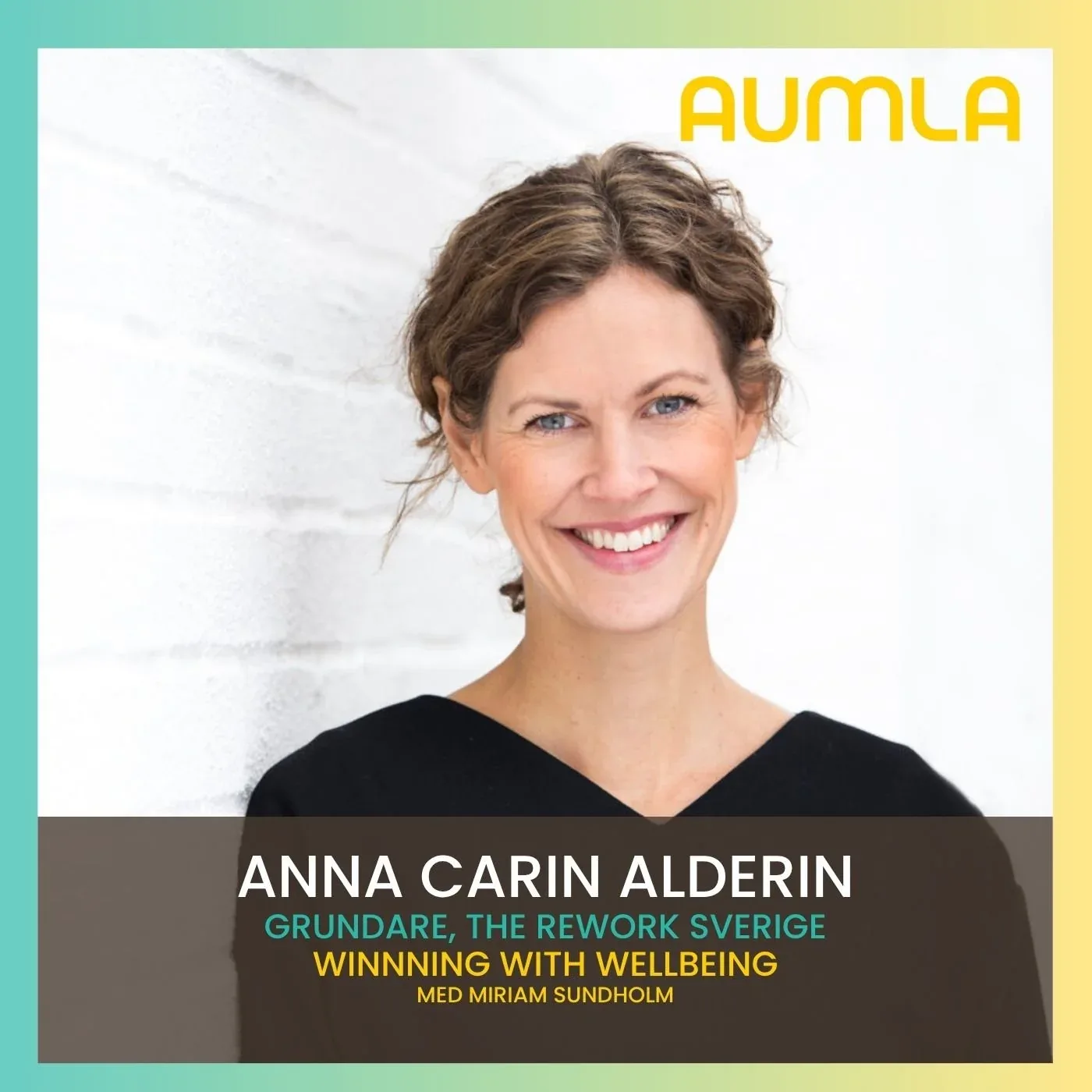
Anna-Carin AlderinFounder of The Rework
The conversation is in Swedish.
The four-day week in practice
A common misconception is that the four-day week means doing the same work in less time at a higher pace. The starting point is instead to rethink how time is used and which ways of working actually create value.
Results from the Nordic study
The study covered eleven organisations in Sweden and Norway, including public sector bodies, energy companies and accounting firms. When working time became more limited, the organisations got a sharper focus on which activities were needed, what created value and how time was spent day to day.
From time optimisation to better job design
A central insight is that the results don’t seem to come only from fewer hours, but from changes in ways of working and structure. The organisations identified “time leaks”: meetings, activities and processes that took a lot of time without contributing proportionally to their goals.
A different kind of leadership
A more sustainable way of working puts new demands on leadership – trust, clarity and the ability to prioritise. Interestingly, many leaders found it hard to fully take the shorter working time themselves.
Lessons for the future of work
As AI and digital tools streamline administration, a strategic question arises: how should productivity gains be used? Even organisations that don’t plan a four-day week can use the lessons.
Key takeaways
- The four-day week is about changing job design, not just fewer hours.
- Meeting structure, focus time and clear priorities can reduce time leaks.
- The model requires trust, clarity and leadership that sets an example.
- Productivity gains need conscious decisions about how they are used.