
Knowledge about the menstrual cycle, PMS, perimenopause and menopause – and how they can affect wellbeing and work ability.
Specialist expertise
Women’s health at work & menopause
Many organisations lose experienced female leaders and specialists at the stage when they have the most to give. We help you treat women’s health as the work environment, talent and continuity issue it is – systematically and in line with ISO 45010.
What we work on
From knowledge to ways of working
Hover over a card to read moreTap a card to read more
Managers gain the knowledge and confidence to handle questions about women’s health respectfully and professionally – without making medical assessments.
Guidelines, ways of working and adjustments that create better conditions through the different stages of working life.
Employee insights, workshops and analysis that show where you stand, what to prioritise and the next steps.
From real life
What it can look like at your workplace
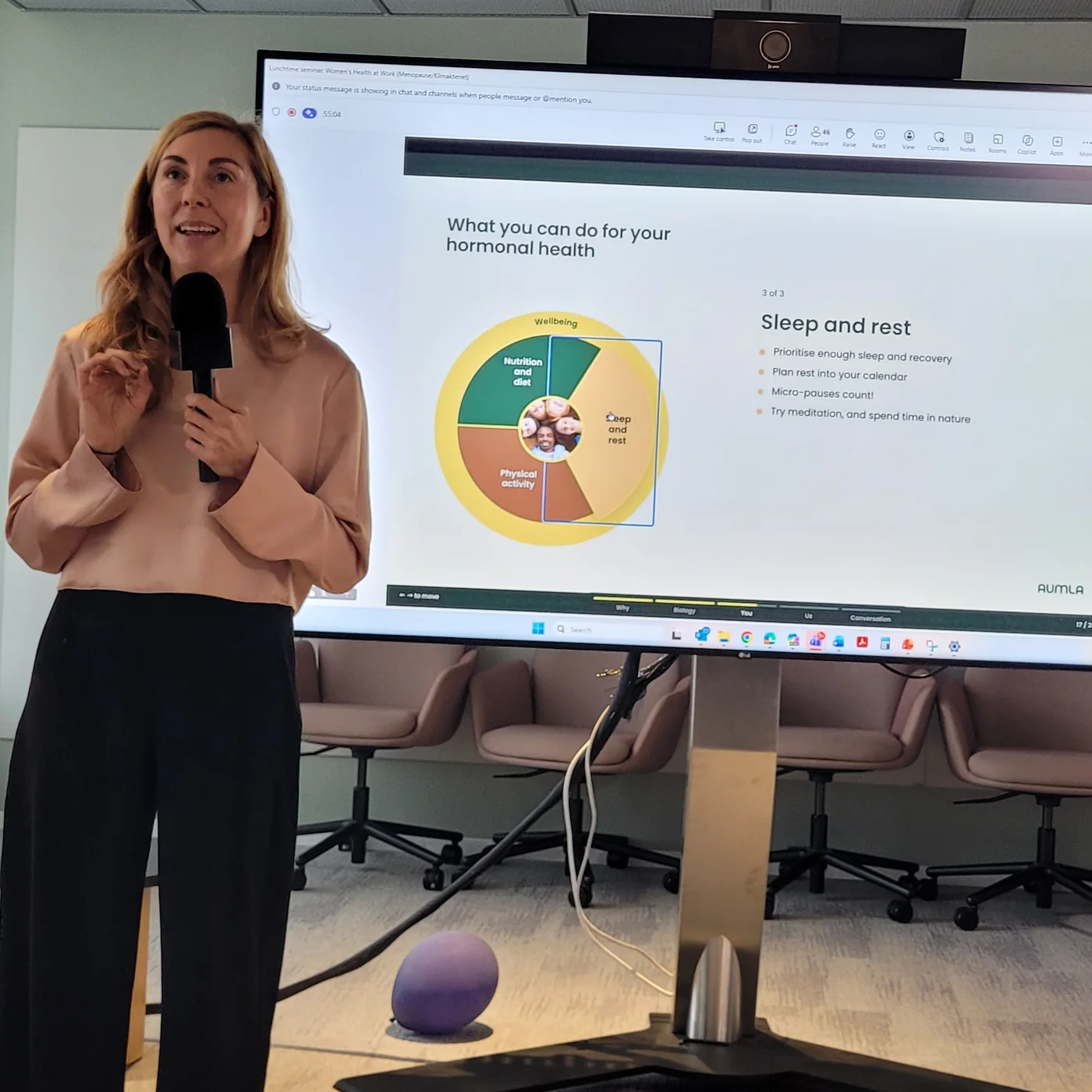
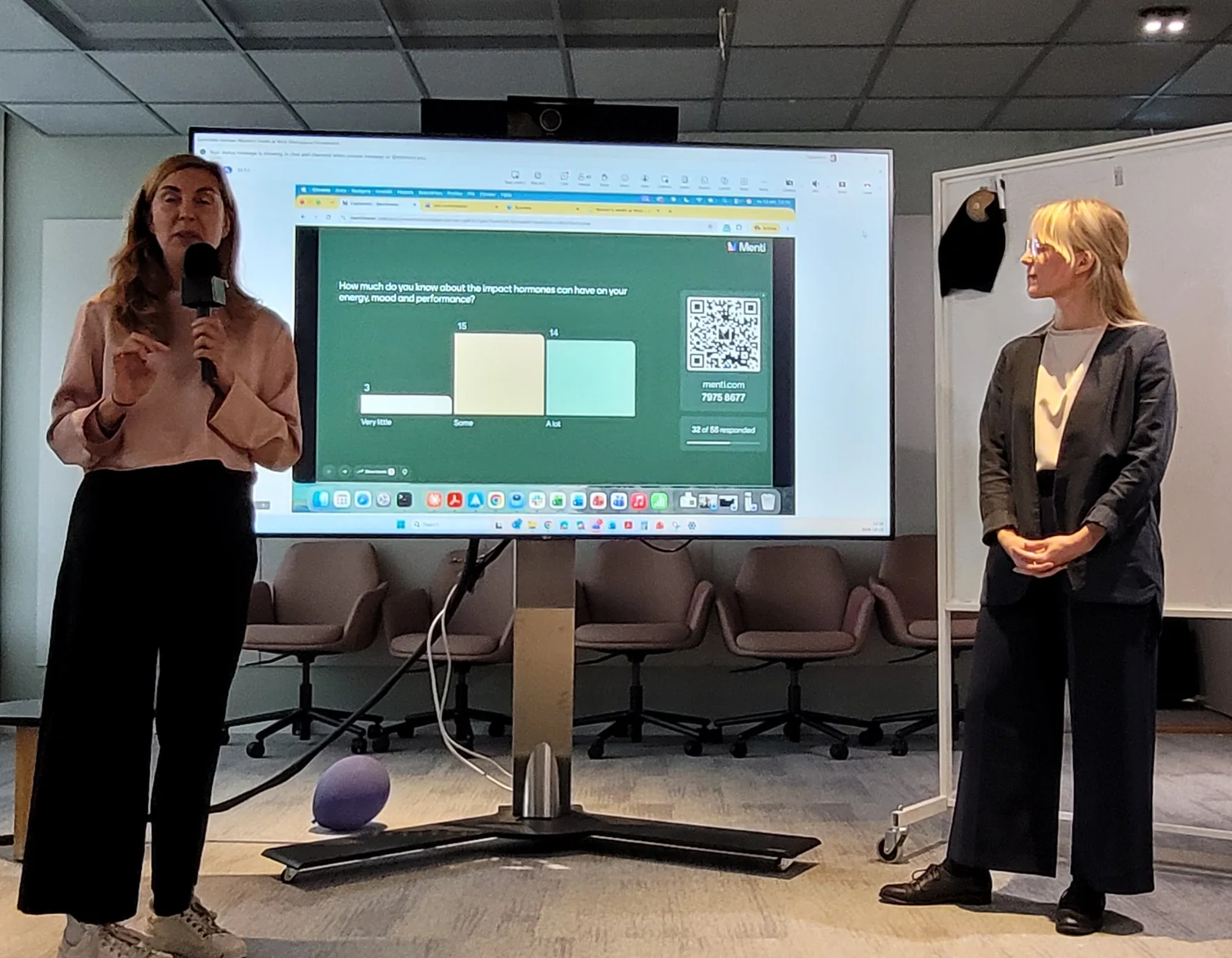
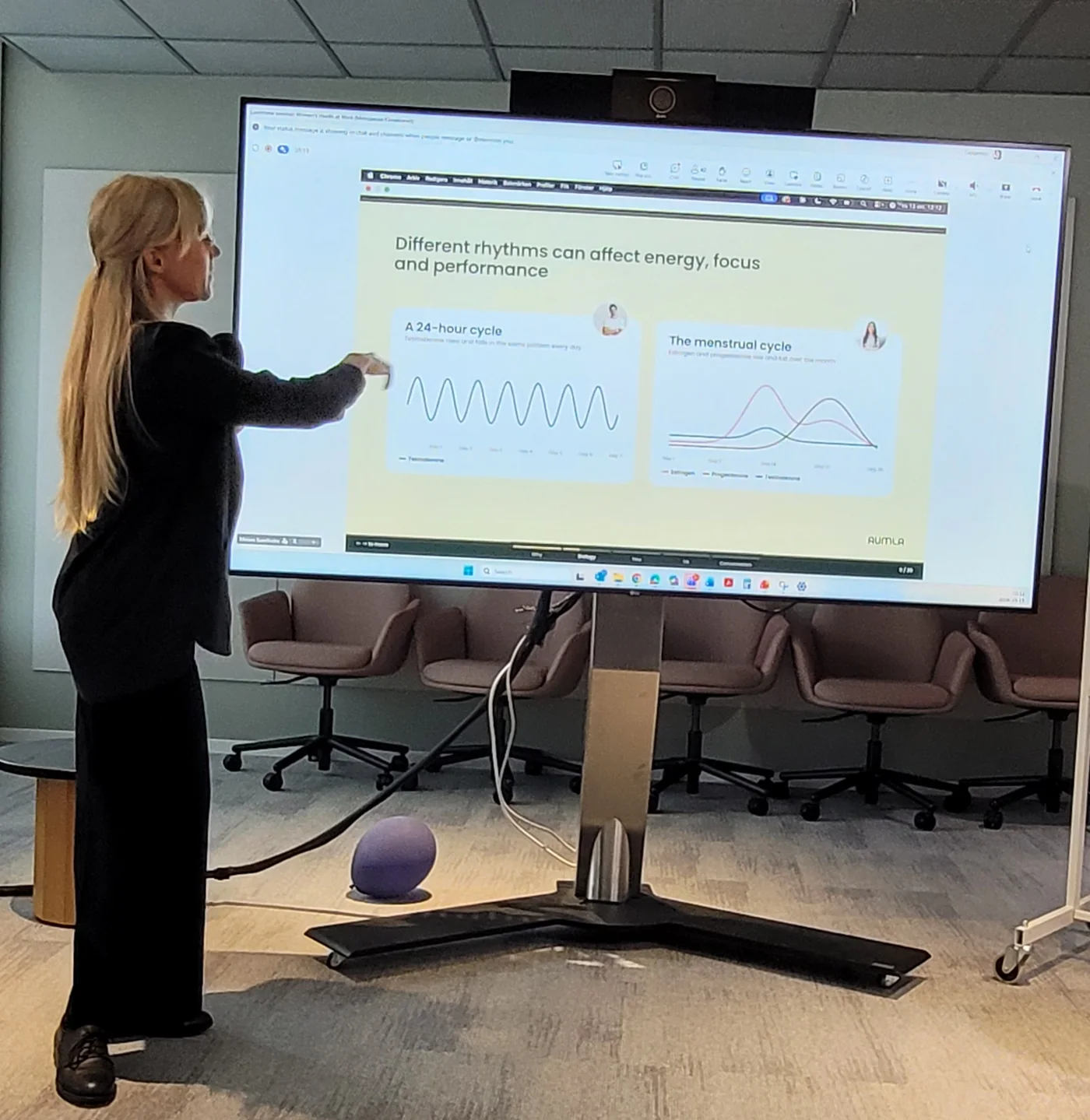
Lectures with facts, recognition and room for questions. Here are Miriam and Cinna on site with a client.
Client cases
How others have done it
Danderyd Municipality and Capgemini Sweden have both given their employees knowledge about women’s health and menopause at work. Read how it worked and what it led to.

Keynotes & workshops
Capgemini – when leadership talks openly about women's health and menopause
During Menopause Awareness Month in October, Capgemini Sweden invited all employees to a lunchtime keynote on women's health at work, focusing on menopause, hormonal health and energy. Aumla gave the talk, followed by a panel with Capgemini's leadership. The result was an open conversation, clear insights from employees and a foundation for the next steps in supporting women's health at work.
Read the case →
Keynotes & workshops
Danderyd Municipality – leading the way on menopause and women's health at work
Danderyd Municipality, north of Stockholm, is one of the Swedish municipalities leading the way on women's health at work. During Health Week in October, the Social Services department invited its employees to a digital talk on women's health and menopause. Employees gathered at their workplaces to watch together, and the recording is available to everyone in the learning platform Learnifier. The talk covered hormones, the menstrual cycle and menopause, along with very practical tools for everyday life: more micro-breaks, walks, and seeing the menstrual cycle as four seasons.
Read the case →Framework
ISO 45010 and the ISO 45000 family
ISO 45010 gives workplaces guidance on menstruation and menopause and describes how the work can be integrated into the occupational health and safety management system. We help you interpret the guidance and put it into practice in your existing work environment management.
Read the article on ISO 45010 →Why it matters
- Lower sick leave and a better work environment
- More confident, capable managers
- Key talent and continuity retained
- Higher engagement and a more attractive workplace
Digital programme
Women’s health through working life
A modular digital programme where each employee chooses what fits her life stage – from the menstrual cycle to menopause. The organisation gets joined-up support for all women, in your own LMS or intranet. The nutrition content was developed with registered dietitian Sofia Antonsson. The modules are currently in Swedish.
Menstrual cycle
The menstrual cycle & your health
How hormones affect body, energy and everyday life across the cycle – with adapted training, yoga, recovery and recipes.
Pregnancy
Pregnant and at work
Knowledge, nutrition advice, adapted training and pregnancy yoga through the stages of pregnancy.
After birth
Back after parental leave
Nutrition, recovery, adapted training and postnatal yoga for the first period after birth – and support for returning to work.
Menopause · In development
Menopause and working life
Perimenopause and menopause – what happens in the body, common symptoms and what helps at work. Offered today as talks and workshops.
For managers · In development
Supporting employees through life stages
How managers can hold conversations, offer adjustments and create safety – in line with ISO 45010. Included today in our manager workshops.
The programmes do not replace advice from a midwife or doctor. Read more about all our digital programmes.
Guide
Women’s health at work
A strategic, practical guide for HR, managers and leadership teams, based on ISO 45010 (in Swedish).
Guide
How to handle difficult conversations
How managers spot early signs of ill-health, dare to start the conversation and act in time (in Swedish).
Anchoring: In line with ISO 45010 on menstruation and menopause in the workplace and UN Sustainable Development Goal 5 on gender equality – and built into systematic work environment management. Read more →
Who it is for
Who it’s for, and when
- HR, DEI and occupational health teams who want a structured approach to women’s health
- Managers who want to feel confident talking about menstruation, PMS and menopause
- Organisations with many women aged 40–55 in key roles
- Organisations that want to work in line with ISO 45010
Outcomes
What you can do afterwards
- Managers know what they need to know – and how to act
- Employees have the knowledge and know where to find support
- Guidelines and possible adjustments are in place
- Women’s health is part of work environment management and follow-up
Hover over a step to read moreTap a step to read more
We review your needs, existing guidelines and data.
Talks, manager workshops, digital programmes and support in developing guidelines.
We help you follow up and integrate women’s health into everyday processes.
Go deeper
Listen and read on
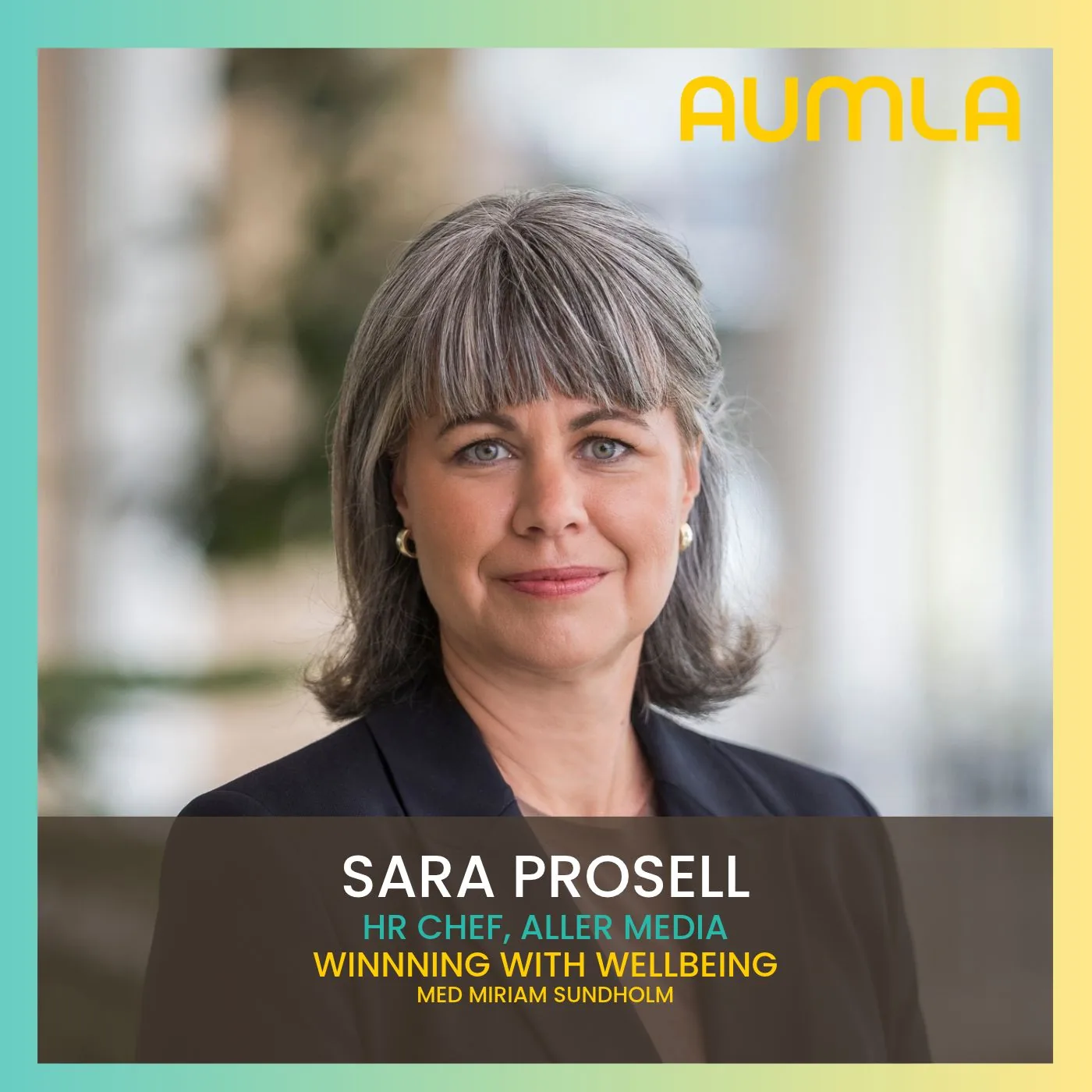
Women’s health at work
Women’s health at work – lessons from Aller Media
Guest: Sara Prosell, Chief People & Culture at Aller Media Nordic
How can an organisation work in a more structured way with women’s health? And what happens when it becomes part of work environment management – not just an individual health issue? Miriam Sundholm talks with Sara Prosell, Chief People & Culture at Aller Media Nordic.
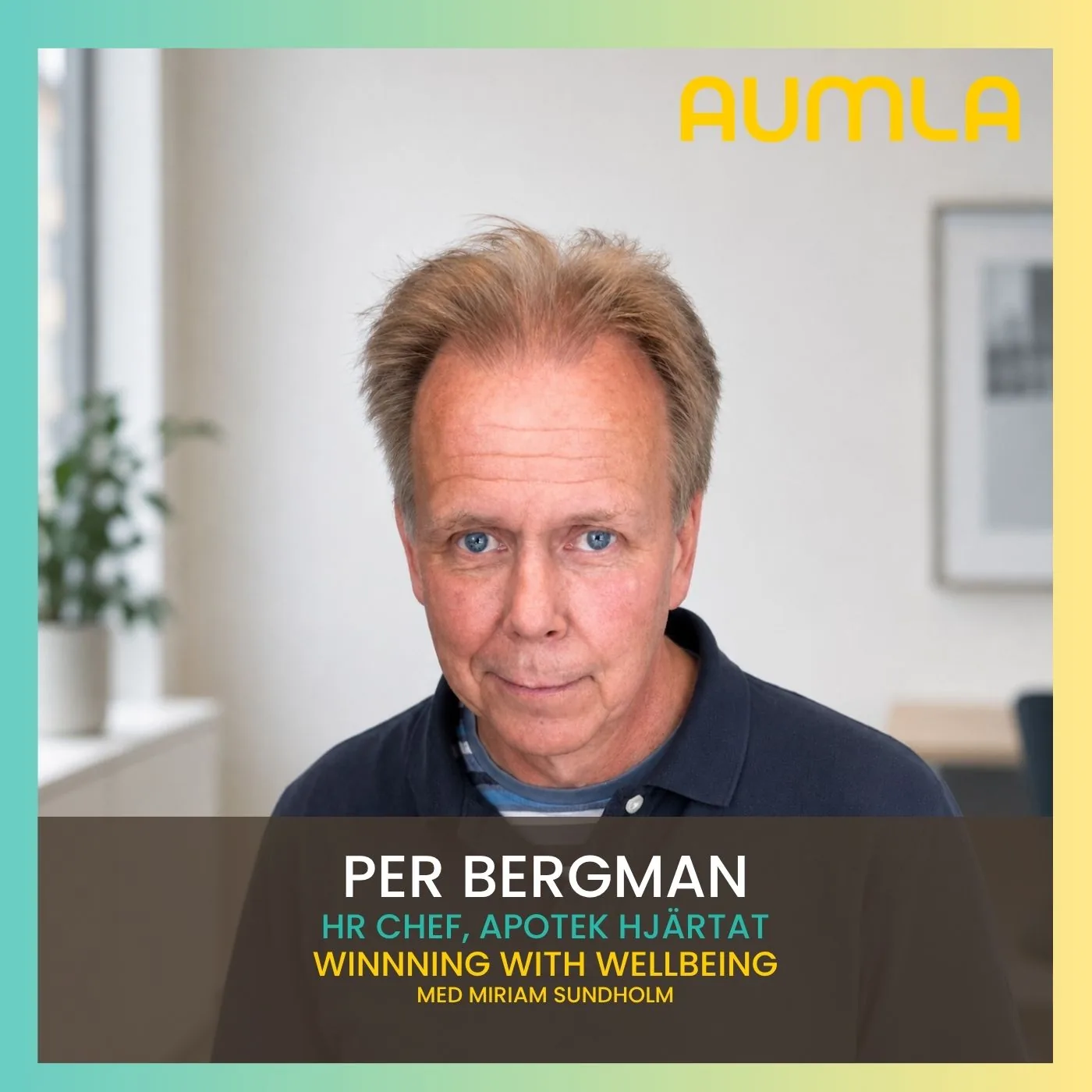
Women’s health at work
Women’s health at work – how Apotek Hjärtat works with menopause
Guest: Per Bergman, Head of HR at Apotek Hjärtat
How can organisations create a work environment where women’s health has a place? Per Bergman, Head of HR at Apotek Hjärtat, talks about the company’s work on menopause, leadership, knowledge and psychological safety.
Women’s health at work
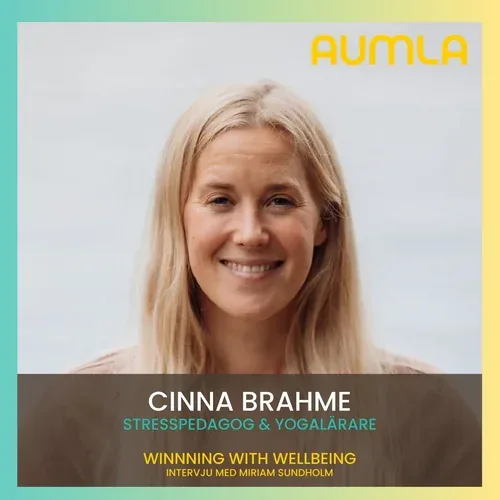
Women’s health at work: the menstrual cycle, stress and the work environment
Guest: Cinna Brahme, Stress educator and women’s health expert
How can menstruation and hormonal change affect energy, stress and recovery at work? Cinna Brahme discusses why women’s health needs a natural place in organisations’ work environment and health work.
FAQ
Frequently asked questions
Why is women’s health a work environment issue?
Menstruation, PMS, perimenopause and menopause can affect wellbeing, work ability and attendance. Many organisations lose experienced female leaders and specialists at the stage when they have the most to give. That is why the topic belongs in systematic work environment management – not only with the individual.
What can employers do about menopause symptoms at work?
Give managers the knowledge and confidence to have the conversation, develop guidelines and review adjustments to the work environment and job design. The manager’s role is to create the right conditions – not to make medical assessments.
What is ISO 45010?
ISO 45010 is an international standard with guidance for workplaces on menstruation and menopause. It describes how this work can be integrated into the occupational health and safety management system. Read more about ISO 45010.
How do we get started?
Many start with a talk or workshop that creates a shared language, or with our guide to women’s health at work. We then map the current situation, priorities and next steps together.
Book a strategic conversation
For HR, People & Culture and leadership teams. Tell us where you are today. Together we’ll review your situation, your data and the steps that will have the greatest impact – for both people and results.