Aumla Winning with Wellbeing
From burnout to sustainable workplaces
Burnout is more than a heavy workload. Cara de Lange, founder of Softer Success, on moral injury, measuring risk across the organisation and why prevention starts with a diagnosis.
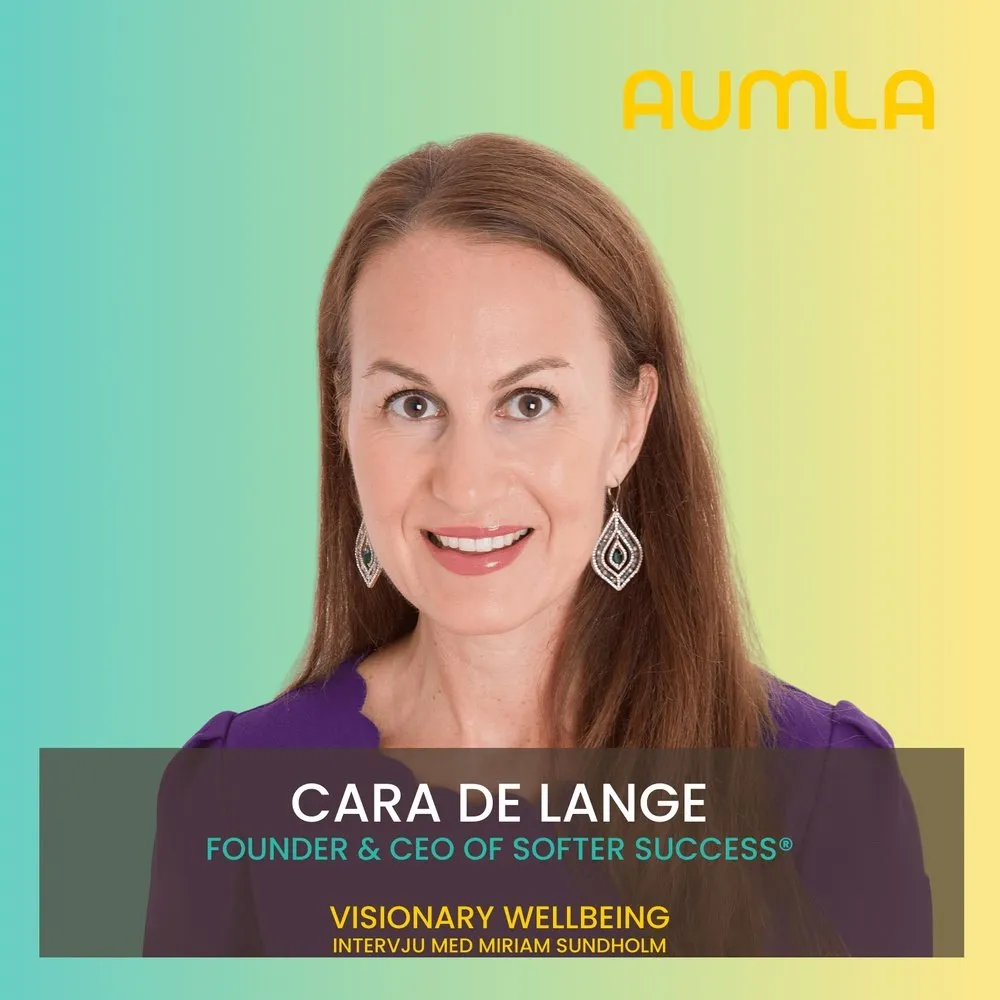
Cara de LangeFounder and CEO of Softer Success
Two voices with lived experience
Both Miriam Sundholm and Cara de Lange have experienced burnout. After 20 years in international companies, Cara founded Softer Success, which worked with researchers and psychologists to create a short burnout risk assessment.
New drivers of burnout
Beyond the WHO definition of chronic, unmanaged work stress, Cara’s research with the University of Sheffield points to moral injury – witnessing or doing things against your values – and eco-anxiety, especially among younger people. Life outside work matters too.
Words are contagious
New habits take weeks to form, and language spreads in organisations. Talking about calm, sustainable productivity and joy, rather than constant busyness, changes how teams feel.
Prevention starts with a diagnosis
Measure how the organisation is doing, talk to teams about the biggest pain points, act at organisational, team, leader and individual level – then measure again, ideally monthly. Early detection saves both human and financial costs.
Stillness and creativity
High stress makes it harder to think clearly and notice the body’s signals. Short moments of stillness help the nervous system calm down and open space for creativity.
Key takeaways
- Burnout is driven by more than workload – moral injury and life outside work matter.
- The language used in an organisation affects stress levels.
- Prevention starts with measurement and continues with regular follow-up.
- Early detection reduces human and financial costs.
- Small habits, like moments of stillness, make a difference over time.